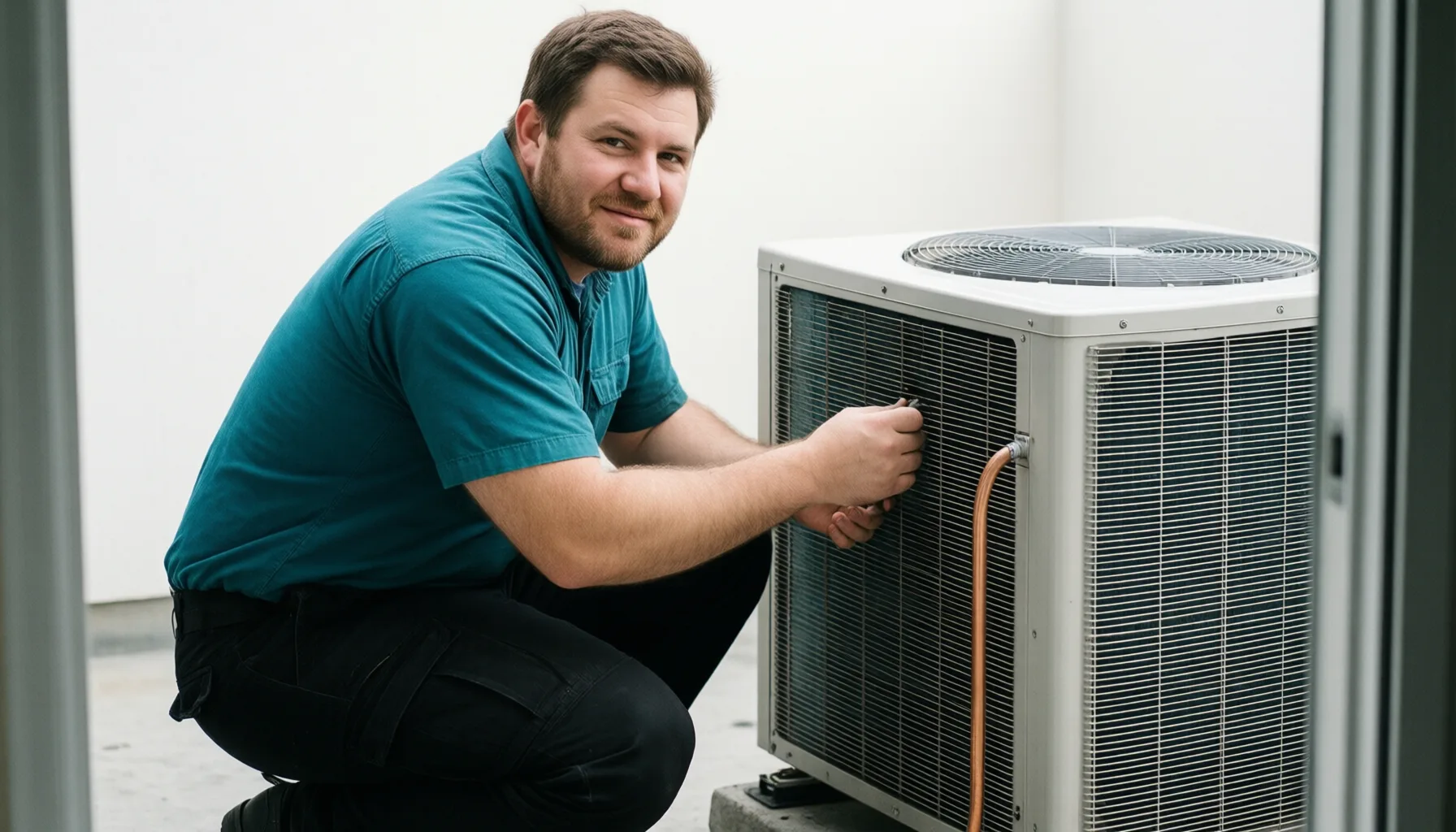
Backup Cooling Strategies for Miami Homeowners
Published: 2026-10-14 · By AC Repairs by ArcticWave
As a Miami homeowner, you know the sweltering summer heat doesn't take a break, especially with the humidity that feels like a wall you must walk through. Tropical storms and hurricanes can ramp up this discomfort, making reliable air conditioning essential. But have you considered what happens when your main cooling system fails? Navigating the Miami climate without backup cooling solutions can lead to unbearable conditions and costly repercussions.
Why This Matters for Miami Homeowners
The subtropical climate in Miami presents unique challenges for homeowners. With high humidity levels frequently above 70%, air conditioners are constantly working to cool and dehumidify your home. A sudden system failure during peak heat can turn your living space into an unbearable environment, especially for those sensitive to heat. The corrosive salt air can also lead to accelerated wear and tear on your air conditioning unit.
Moreover, the frequent stormy weather can cause power outages, leaving your home uncomfortably warm. Relying solely on your primary AC system is a gamble, especially when you consider the potential for hurricanes that could disrupt service and lead to extended downtime.
Being proactive about your cooling options ensures that you can handle Miami’s heat, no matter the circumstances. With backup strategies in place, you'll be able to enjoy peace of mind and comfort throughout the year.
Expert Solutions & Actionable Tips
1. Portable Air Conditioners
Portable air conditioners offer a versatile cooling solution that can be easily moved from room to room. In Miami, these units typically range from $250 to $800 depending on their cooling capacity and features. They usually require minimal installation and can be operational within hours, making them an ideal choice for emergency cooling needs during a storm or when primary systems fail.
Most units are equipped with a drainage option for excess water, which is critical in our humid climate. Keep in mind that energy efficiency can vary widely, so look for units with a higher Energy Efficiency Ratio (EER).
2. Evaporative Coolers
Evaporative coolers, or swamp coolers, utilize the principles of evaporation to cool the air. In a humid environment like Miami, this can work effectively indoors if placed strategically near windows. They tend to be more cost-effective than traditional air conditioning systems, with installation costs averaging between $150 to $600.
These units also use significantly less electricity, which can save you money during a month-long heatwave. While they may not replace the need for air conditioning completely, they serve as a great supplement during those unusually hot days.
3. Ceiling Fans
Installing ceiling fans is one of the most affordable ways to enhance airflow in your home. In Miami, a good quality fan costs about $100 to $300, and installation usually takes about two hours. Fans can help circulate cool air from your air conditioning unit or cooling system, making rooms feel more comfortable at higher temperatures.
Turning on fans in conjunction with your AC can create a wind-chill effect, allowing you to raise your thermostat a few degrees without sacrificing comfort.
4. Generator for Power Loss
In the event of a power outage due to storms or other weather conditions, investing in a generator can keep your cooling systems operational. Costs for a reliable generator can range from $600 to over $10,000 for larger models, but it’s often less expensive than the discomfort caused by heat and humidity.
Choosing a model with enough capacity to run your AC unit can provide substantial security during the tumultuous hurricane season, ensuring that your home remains cool and comfortable.
5. Window Air Conditioning Units
Window units can be a practical addition for Miami homeowners, especially for rooms that lack central AC. Costs typically range from $150 to $600, depending on cooling power and energy efficiency ratings. They can generally be installed within a few hours and provide a quick cooling solution where your primary system may struggle.
User reviews indicate that new models are quieter and more efficient, which can help maintain indoor comfort levels while saving on energy bills.
6. Regular Maintenance Plans
Regular maintenance of your cooling system can prevent unexpected breakdowns. Joining a maintenance plan with a reputable company can cost between $100 to $300 annually. These plans often include inspections, cleanings, and discounts on repairs, which can be especially vital in humid and corrosive environments like Miami.
Consistent care ensures that your unit operates efficiently and prepares it to withstand the local weather conditions.
Miami Climate & Local Context
Miami’s tropical climate significantly affects the design and maintenance of air conditioning systems. Elevated homes are commonly equipped with moisture barriers to help combat the effects of humidity and prevent mold growth. Additionally, the abundance of salt in the air accelerates corrosion in metal components of HVAC units, demanding more regular inspection and maintenance.
Local building codes must be adhered to when installing new systems, especially those that incorporate backup cooling solutions. The Florida Building Code requires specific guidelines to ensure safety and efficiency in compliance with local environmental conditions. It’s critical to consult a licensed professional who understands these regulations to ensure seamless installation and operation.
When to Call a Professional
Deciding when to tackle an AC issue yourself or call in a professional can be tricky. For minor issues such as replacing air filters or adjusting the thermostat, DIY can often save you time and money. However, there are specific scenarios to watch out for where professional help should be prioritized.
- Persistent unusual noises from the unit.
- Ice buildup on the evaporator coils.
- Burning smells emanating from the unit.
- Inconsistent cooling in different rooms.
- Water pooling around the AC unit.
- Frequent circuit breaker trips when the system is running.
- Old or outdated systems needing evaluation.
- Significant spikes in energy bills without changes in usage.
Addressing these concerns promptly can mitigate larger, more costly repairs down the line, preserving your home’s comfort and safety.
Frequently Asked Questions
What should I do if my AC unit stops working during a storm?
If your AC unit fails during a storm, first ensure your safety and check the power supply. If the power is out, a generator will keep your unit operational until electricity returns.
How does the salt air affect my air conditioner?
Salt air can cause corrosion and damage to metal parts of your air conditioning system, reducing its lifespan and efficiency. Regular maintenance is crucial to address this issue in coastal areas like Miami.
Can I install a backup unit myself?
While some backup systems are designed for DIY installation, units like window ACs or portable models are easier. However, larger units, like generators, generally require professional installation to comply with local codes.
How often should I maintain my air conditioning system?
For optimal performance in Miami's climate, it's recommended to service your air conditioning system at least twice a year, ideally before and after the cooling season.
What signs indicate that I need to replace my AC system?
Common signs include frequent breakdowns, increasing energy bills, uneven cooling throughout your home, and your unit being over a decade old, indicating a potential need for replacement.
Get Expert Air Conditioning Repair Service in Miami
Ensure your Miami home stays comfortable all year round by having a backup cooling strategy in place. If you need help determining the best options for your home, call (786) 625-7073 to speak with a team member at AC Repairs by ArcticWave for tailored advice.
Don’t wait for a cooling crisis to strike; reach out today and keep your family comfortable in even the most extreme Miami weather.