Why Your Miami Electric Bill Spikes: AC Efficiency Explained
Published: 2026-10-14 · By AC Repairs by ArcticWave
Imagine sitting in your living room on a sweltering Miami afternoon, sweat beading on your forehead as the electric meter spins faster than you can count. As the summer heat collides with high humidity, you realize your air conditioning unit is working harder than ever. The culprit? Inefficiency hidden beneath the surface of your cooling system. Understanding the nuances of AC performance is vital for Miami homeowners, especially when it comes to managing those sky-high electric bills that arrive each month.
Why This Matters for Miami Homeowners
Miami's humid climate creates a unique set of challenges for air conditioning systems. Salt air from the nearby coastline accelerates corrosion, diminishing the lifespan and efficiency of your AC unit. It's not uncommon to see an increase in your electric bill during the tropical storm season, when heavy rains can overwhelm outdoor units and lead to unexpected failures. Additionally, older homes may not have the necessary moisture barriers, resulting in more strain on air conditioning units as they fight to maintain comfortable indoor temperatures.
If your home has poor insulation or leaky ducts, your cooling system may not only struggle to provide adequate cooling but also waste energy, leading to elevated electricity costs. Identifying these issues is paramount, not just for comfort but for your pocketbook.
It’s essential to understand these local nuances to avoid nasty surprises in your monthly bills. Investing in repairs and maintenance becomes an effective strategy in managing your home’s energy consumption.
Expert Solutions & Actionable Tips
1. Regular Maintenance is a Must
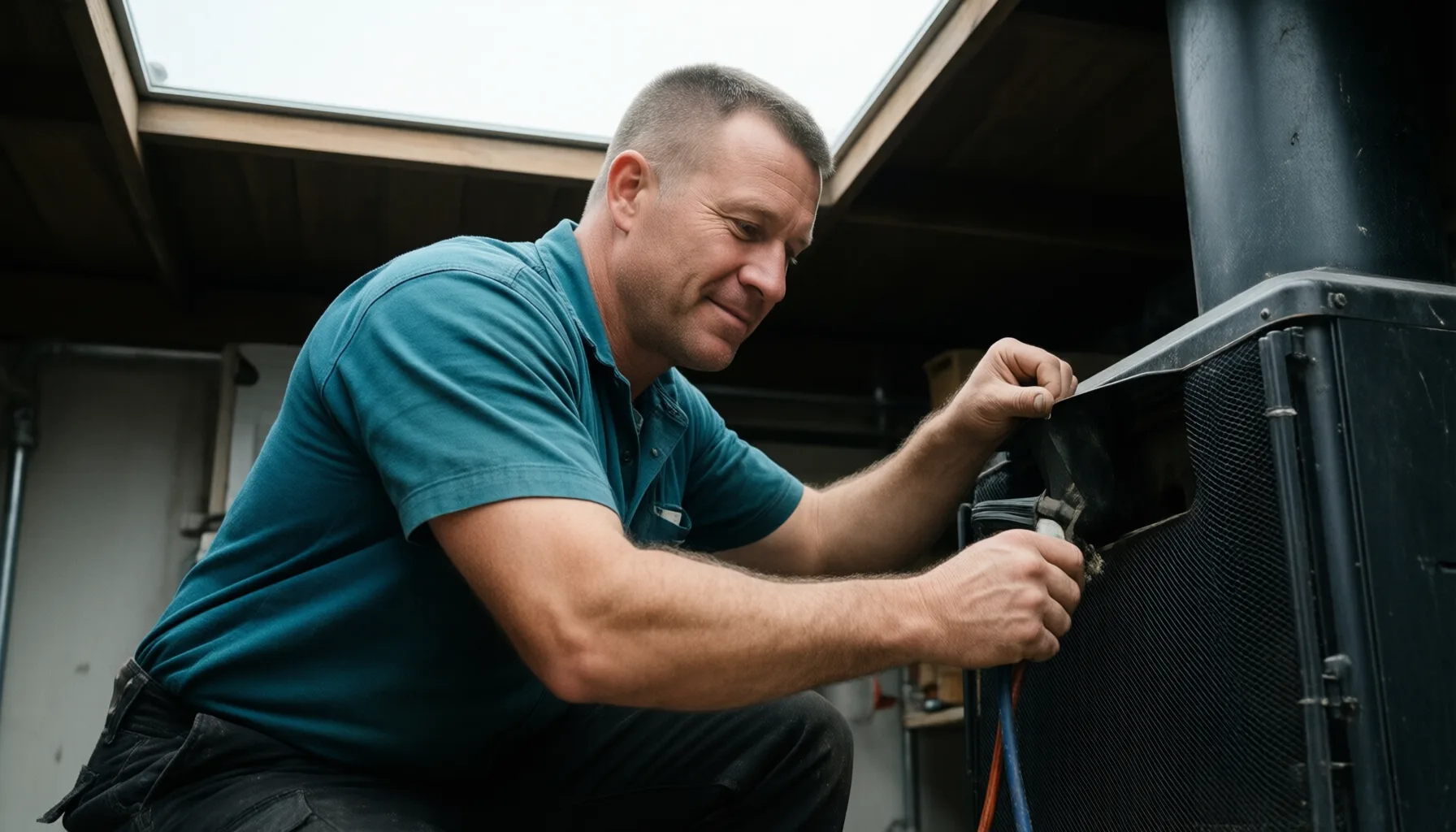
In humid Miami, air conditioning units should be serviced at least twice a year. This maintenance can help clear out dirt and grime that can hinder air flow, hence improving efficiency. Expect to pay between $75 to $150 per maintenance visit, but compare that to the costs of emergency repairs, which can run into the thousands if serious issues develop.
During these maintenance checks, technicians will inspect drain lines and refrigerant levels, ensuring everything operates smoothly, which can result in noticeable savings on your electric bill.
2. Seal Those Ducts
Leaky ducts can account for a significant portion of energy loss in homes. To fix this, having your ducts sealed can save you 20% or more on your cooling costs. Professional duct sealing usually ranges from $300 to $800, but the long-term savings can be substantial, especially in the humid Miami environment.
Additionally, consider high-quality insulation around ducts, which helps resist the moisture-laden air from the local climate.
3. Upgrade Your Thermostat
Installing a smart thermostat can optimize your AC unit's performance by adjusting settings based on your daily habits. These devices can range from $100 to $300, but they often pay for themselves in energy savings over time as they adjust cooling during peak hours.
A smart thermostat allows you to monitor and control your system remotely, which is particularly useful during those unexpected Miami storms.
4. Monitor Your AC Unit’s Age
It's crucial to keep an eye on how long your AC unit has been running. Most systems last about 10-15 years. If yours is getting longer in the tooth, consider a replacement. Newer models are more efficient, potentially saving you 20-30% on cooling costs. While new units can range between $3,000 to $7,000, the return on investment through reduced energy bills can be substantial.
In Miami, where humidity levels are frequently high, an efficient unit is particularly critical.
5. Invest in Efficient Systems
If you need to replace your AC unit, look into ENERGY STAR-certified options. These units can use 15% less energy than their standard counterparts. Installation costs can vary, typically falling between $3,500 to $8,000 in Miami, depending on the unit's capacity and complexity of the install.
Incorporating energy-efficient systems not only lowers your bills but may also mean rebates through local utility programs, benefiting both your wallet and the environment.
6. Watch for Coral Growth Around Your Unit
Coral and other coastal vegetation can damage your AC over time, especially when their roots threaten outdoor units. Regular inspections should include looking for any encroaching growth, with recommended clearing schedules of two to three times a year to prevent corrosion and performance loss.
If problems arise, remediation can cost anywhere from $200 to $600, but managing vegetation early can prevent extensive damage.
Miami Climate & Local Context
Miami's tropical climate presents unique challenges for air conditioning systems, mainly due to high humidity and salt air, which can erode metal components quickly. Properties often feature elevated designs and moisture barriers to mitigate these issues, making regular AC maintenance not just helpful, but essential.
Local building codes also factor into air conditioning installation and repair. Homeowners may need to navigate specific permits and requirements that ensure systems are efficient and designed to withstand the harsher elements native to South Florida.
Furthermore, when selecting an AC unit, it’s essential to consider the specific needs of your building structure, particularly for newer homes designed with energy efficiency in mind.
When to Call a Professional
Deciding when to tackle an AC issue yourself versus hiring a professional can save you both time and expenses. Basic maintenance tasks, like changing filters and clearing debris from the outdoor unit, can often be handled by homeowners. However, more intricate issues require expert knowledge.
- Underperformance despite regular service
- Unusual sounds coming from the unit
- Increased humidity indoors
- Burning smells or electrical failures
- Frequent cycling on and off
- Water pooling around the unit
If any of these red flags appear, it's wise to consult with professionals like AC Repairs by ArcticWave. Assessing your system early can prevent small issues from becoming costly repairs.
Frequently Asked Questions
What causes high electrical bills in Miami during hot months?
Increased humidity can force your AC unit to work harder. Poor insulation and old equipment may also elevate energy consumption, causing bills to spike dramatically.
How can I improve my AC's efficiency at home?
Regular maintenance, ensuring proper insulation, and sealing ducts can significantly improve your AC's efficiency, saving you money on your energy bills.
Are there any local programs for energy efficiency rebates?
Yes, Miami offers various utility programs that incentivize energy-efficient upgrades. It's worth investigating these to help offset the initial costs of repairs or upgrades.
When should I replace my old AC unit?
If your AC is over 10 years old and frequently requires repairs, it may be more cost-effective to replace it with a new energy-efficient model, especially in high-humidity environments like Miami.
What should I do if my AC is blowing warm air?
Warm air could indicate a refrigerant leak or a malfunctioning compressor. It's recommended to call a professional immediately to diagnose and resolve the issue correctly.
Get Expert Air Conditioning Repair Service in Miami
Are you tired of high electric bills and inefficient cooling in your Miami home? The solution could be as simple as scheduling a professional maintenance check with AC Repairs by ArcticWave. We can help ensure your AC system runs efficiently and effectively against the Florida heat.
Contact us today at (786) 625-7073 to discover how we can assist with all your air conditioning repair needs.